
"ecological environment"
1000 article(s) found

Introduction to the Origin and background of Cupid from Mount Baru in Panama Cupid really contains 30% Rose Summer
Professional barista communication please follow the coffee workshop (Wechat official account cafe_style) Panama Baru Volcano Cupid Rose Summer 30% washed Panama Cupido Washed 30% Geisha Baru Volcano Panama BOP regular producing area Geisha is one of the most primitive coffee varieties in the world, some people call it geisha, some people translate it into Rose Summer, its name contains tenderness and floral fragrance
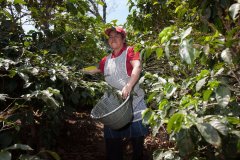
A cup of Fairtrade coffee gives coffee farmers in Central and South America a democratic dream.
Professional baristas exchange please pay attention to coffee workshop (Wechat official account cafe_style) Fair Trade is a consumer movement initiated by European and American non-profit organizations. Fifty or sixty years ago, they felt that bananas, coffee and other bulk substances that had been widely used in their lives for a long time came from poor third World countries, but the wages of local farmers were far lower than the poverty line, so they initiated their own initiative.

Are there any domestic coffee brands in Costa Rica? How would you like your Costa Rican coffee?
Professional coffee knowledge exchange more coffee bean information please follow the coffee workshop (Wechat official account cafe_style) first of all, let's talk about Costa Rica, which is located in the middle of slender Central America like an umbilical cord, bordering Nicaragua to the north and Panama to the south. Among the Central American countries, the political and economic security environment is extremely stable in a country whose livelihood industry is mainly agriculture, forestry and animal husbandry due to its ownership of Shu.

Introduction to the characteristics of Panamanian Coffee Variety producing area the flavor and taste of high-quality coffee beans
Panama is rich in forest resources and has many tree species, including valuable wood such as mahogany, cedar, teak, mahogany, and cedar. The forest area of eastern Dalian Province is the most widely distributed, but it has not been fully developed due to lack of market and for reasons such as national defense and protection of the natural ecological environment. [5] according to FAO estimates in 2010, the forest area of Panama is 4.29 million hectares, accounting for the land area.

Coffee Knowledge What is Rainforest Alliance Certification
Have you ever heard of Rainforest Alliance certification when buying coffee beans? So what is Rainforest Alliance certification? The Rainforest Coalition for Coffee Training is a worldwide NGO established in New York in 1987. It aims to prevent over-exploitation by traditional agricultural laws, protect natural ecology on the one hand, and maintain good farm life on the other hand.

Introduction of flavor and taste of Nicaraguan coffee manor introduction of Nicaraguan coffee producing area of Tianyi Manor
In the variety of raw beans and post-processing are different, the general coffee raw beans in the treatment can be divided into washing, sun, honey treatment. In terms of varieties, Nicaragua is better known for the large-grained elephant beans (Maragogype). In recent years, new species derived from hybrids of different varieties, such as Maracaturra, elephant beans and Kaddura combined with elephant beans, are better in flavor.

Introduction to the production area of Panamanian Coffee Bean by description of taste and Flavor
Panamanian coffee beans are rich in forest resources, and there are many tree species, including mahogany, cedar, teak, mahogany, cedar, and other valuable timber. The forest area of Dalian Province in the east is the most widely distributed, but it has not been fully developed due to lack of market and for reasons such as national defense and the protection of the natural ecological environment. [5] according to FAO 20

Yunnan Aiwei Group will build China's first rainforest ecological coffee farm
Engaged in the coffee industry for nearly 30 years, after Aidan Group successfully brought Yunnan coffee into the international coffee market, in order to further improve the quality of Yunnan coffee, enhance the influence of Yunnan coffee in the international and domestic coffee market, and build a national brand of Chinese coffee, Aiyi Group will rely on the green resource advantage of Yunnan Pu'er and plan to invest 600 million on the basis of the established green circular economy chain.

Is Arabica better than Robusta?
Professional barista communication, please pay attention to coffee workshop (Weixin Official Accounts cafe_style) I believe many friends have read a news: Arabica is on the verge of extinction. Because of the weather, wild arabica will be extinct in the wild by 2080, meaning there will be no good coffee to drink by then. So the question is, why?
Basic knowledge of Coffee what is Rainforest Alliance Certification
Have you ever heard of Rainforest Alliance certification when buying coffee beans? So what is Rainforest Alliance certification? The Coffee training Tropical Rain Forest Alliance is a worldwide non-governmental organization (NGO) established in New York in 1987. It aims at using traditional agricultural laws to prevent overdevelopment, protecting the natural ecology on the one hand, and maintaining the farm life of fine farms on the one hand.

Coffee basic training what is Rainforest Alliance Certification?
Have you ever heard of Rainforest Alliance certification when buying coffee beans? So what is Rainforest Alliance certification? The Coffee training Tropical Rain Forest Alliance is a worldwide non-governmental organization (NGO) established in New York in 1987. It aims at using traditional agricultural laws to prevent overdevelopment, protecting the natural ecology on the one hand, and maintaining the farm life of fine farms on the one hand.

Comparison between Rainforest Alliance and Fair Trade Coffee
Comparison of Rainforest Alliance and Fair Trade Coffee Tropical Rainforest Alliance is a worldwide non-governmental organization (NGO) established in New York in 1987. Aiming at using traditional agricultural methods to prevent overexploitation, protecting the natural ecology on the one hand and maintaining the farm life of fine farms on the one hand, the Tropical Rainforest Alliance protects the ecosystem by changing the methods of land use, commercial behavior, and consumer behavior.
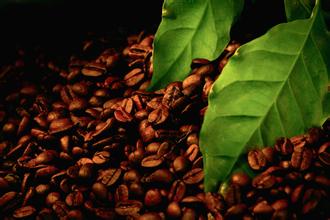
Panamanian Coffee processing method Honey treatment and traditional washing
Panamanian coffee originated in 1780, when European immigrants introduced the first Tipica tree species. Located in Central America, with the natural advantages of sunshine, land and mountains, coupled with a sufficient working population, the region is an excellent area for growing and producing high-quality boutique coffee, and it is a paradise for coffee. In particular, the Geisha coffee from Panama has led to the global customs.
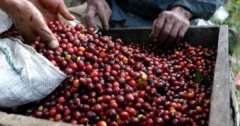
Panama Region Black Coffee Maccubit Estate Boutique Coffee
Panamanian coffee originated in 1780, when European immigrants introduced the first Tipica species. Located in Central America, the natural advantages of sunshine, land and mountains, coupled with sufficient labor population, make this area an excellent area for growing high-quality fine coffee, which is a paradise for breeding coffee. In particular, Geisha coffee from Panama has driven global interest
Is Arabica really more advanced than Robusta?
Professional baristas Please follow the Coffee Workshop (official Wechat account cafe_style) I believe many friends have seen a piece of news: Arabica is on the verge of extinction. The main idea of the news is that due to climate reasons, wild Arabica will become extinct in the wild in 2080, that is to say, there will be no delicious coffee to drink. So the question is, why?

What is organic coffee | is organic coffee safe? organic coffee tastes better | Peruvian coffee
Professional coffee knowledge exchange more coffee bean information Please follow the coffee workshop (Wechat official account cafe_style) A lot of things will begin to be very popular as long as the word organic is hung. So what on earth is organic coffee? Will organic coffee be healthy? In many parts of the world, growers use pesticides to control the growth of coffee pests, often at high altitudes.

Panamanian Jade Manor Coffee Flavor description Grinding degree Taste characteristics Fine Coffee introduction
Panama is rich in forest resources and has many tree species, including valuable wood such as mahogany, cedar, teak, mahogany, and cedar. The forest area of eastern Dalian Province is the most widely distributed, but it has not been fully developed due to lack of market and for reasons such as national defense and protection of the natural ecological environment. [5] according to FAO estimates in 2010, the forest area of Panama is 4.29 million hectares, accounting for the land area.

What is Mexican organic certified coffee? Introduction to the Flavor characteristics of Mersey CESMACH Coffee
Mexico is one of the largest producers of organic certified coffee, mostly sold to the United States because of geographical factors. The country's coffee industry, which began in the 19th century and was introduced through Jamaica, is mainly planted with Arabica varieties near Soconusco, a neighboring Guatemala on the Pacific coast. In the early 1990s, the southern state of Chiapas became the most important coffee producing area in Mexico, with an annual output of about

Panamanian Coffee | introduction to Cupid Flavor of selected Series of small Farmers in Baru Volcano area
Panama Baru volcano production area small farmers selected series Cupid country: Panama production area: Baru volcano altitude: 1600-1650 m treatment: honey treatment and traditional washing grade: SHB varieties: Kaddura, Kaduai, geisha flavor description: clean and clear Body, white grape, caramel aroma followed by honey, alpine black tea aroma charming! High sweetness, low acidity, taste